
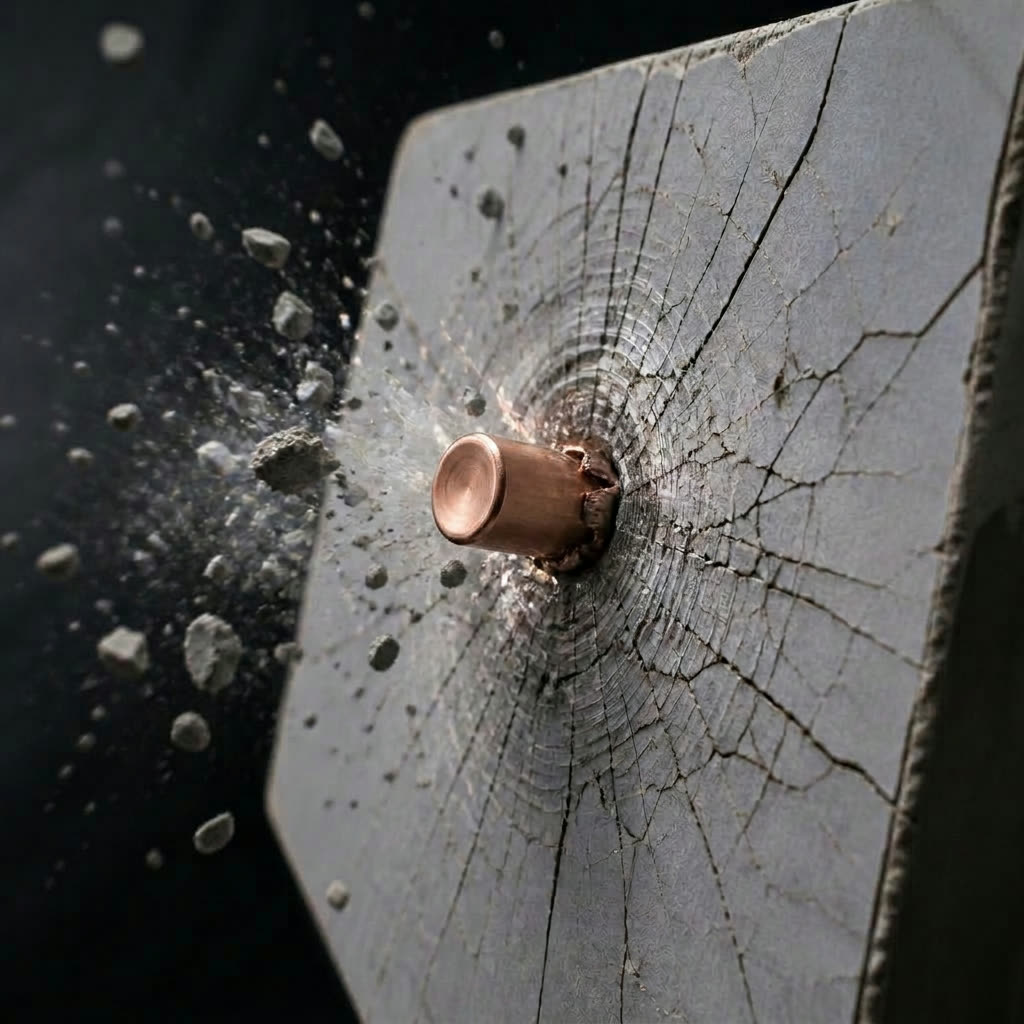
Body Armor Is an Energy Management Problem
Every projectile carries kinetic energy, equal to one-half its mass multiplied by the square of its velocity (½mv²). The objective of body armor is not simply to "stop" a bullet—it is to rapidly manage that energy by fracturing the projectile, distributing the impact over a larger area, and dissipating the remaining forces before they reach the wearer.
Ultimately, every armor system attempts to accomplish the same goal: reduce the forces transmitted to the body to a survivable level while minimizing blunt trauma and backface deformation.
Soft Armor: Managing Deformable Threats
Soft body armor uses dozens of layers of high-performance fibers such as para-aramid (Kevlar®) or ultra-high molecular weight polyethylene (UHMWPE). These fibers possess extraordinary tensile strength, allowing them to capture a handgun projectile and convert its kinetic energy into fiber tension, stretching, friction, and controlled material deformation.
As the projectile penetrates successive layers, stress waves travel outward through the woven or laminated fiber architecture, distributing the load over an increasingly larger area. At the same time, most handgun bullets deform or mushroom, increasing their contact area and engaging progressively more fibers. The combined effects of fiber loading, projectile deformation, and distributed energy absorption allow soft armor to defeat handgun threats while remaining lightweight, flexible, and concealable.
Soft armor, however, has practical limits. Modern rifle projectiles travel at significantly higher velocities and concentrate their energy into a much smaller impact area than handgun ammunition. Fiber systems alone cannot dissipate these concentrated loads before penetration occurs.
Hard Armor: Breaking the Projectile
Defeating rifle threats requires a fundamentally different approach.
Hard armor combines a ceramic strike face with a high-strength composite fiber backing. Upon impact, the ceramic fractures and blunts the projectile, dramatically increasing its frontal area while absorbing a substantial portion of its kinetic energy. The fragmented projectile and fractured ceramic are then captured by the fiber backing, which distributes and dissipates the remaining energy before it reaches the wearer.
The selection of ceramic directly influences armor performance. Alumina provides excellent protection at lower cost but greater weight. Silicon carbide offers an outstanding balance of weight and performance. Boron carbide delivers the lightest practical rifle armor but at significantly higher manufacturing cost.
Articulated Rifle Armor: A Different Approach
Traditional hard armor relies on a single monolithic ceramic plate. While highly effective, these rigid plates restrict mobility and conform poorly to the human body.
Dragon Skin™ introduced a different concept by dividing the ceramic strike face into hundreds of overlapping ceramic discs. Rather than relying on one large rigid plate, the strike-face function is distributed among many individual ceramic elements that articulate with body movement while maintaining overlapping ballistic coverage.
This articulated geometry restores much of the flexibility users associate with soft armor while preserving rifle protection. The concept demonstrated that rifle armor need not remain rigid to be effective, opening the door to a new generation of flexible rifle armor systems.
Modern articulated rifle armor continues to build upon this principle by combining advanced ceramics, engineered overlap geometry, and high-performance composite backers to improve mobility, ergonomics, and wearer comfort without compromising ballistic performance.
Because in the end, body armor isn't simply about stopping bullets—it's about managing energy.
Have a procurement question this article didn't answer?
Our sales engineers respond directly. No call-center, no sales script.
Contact engineering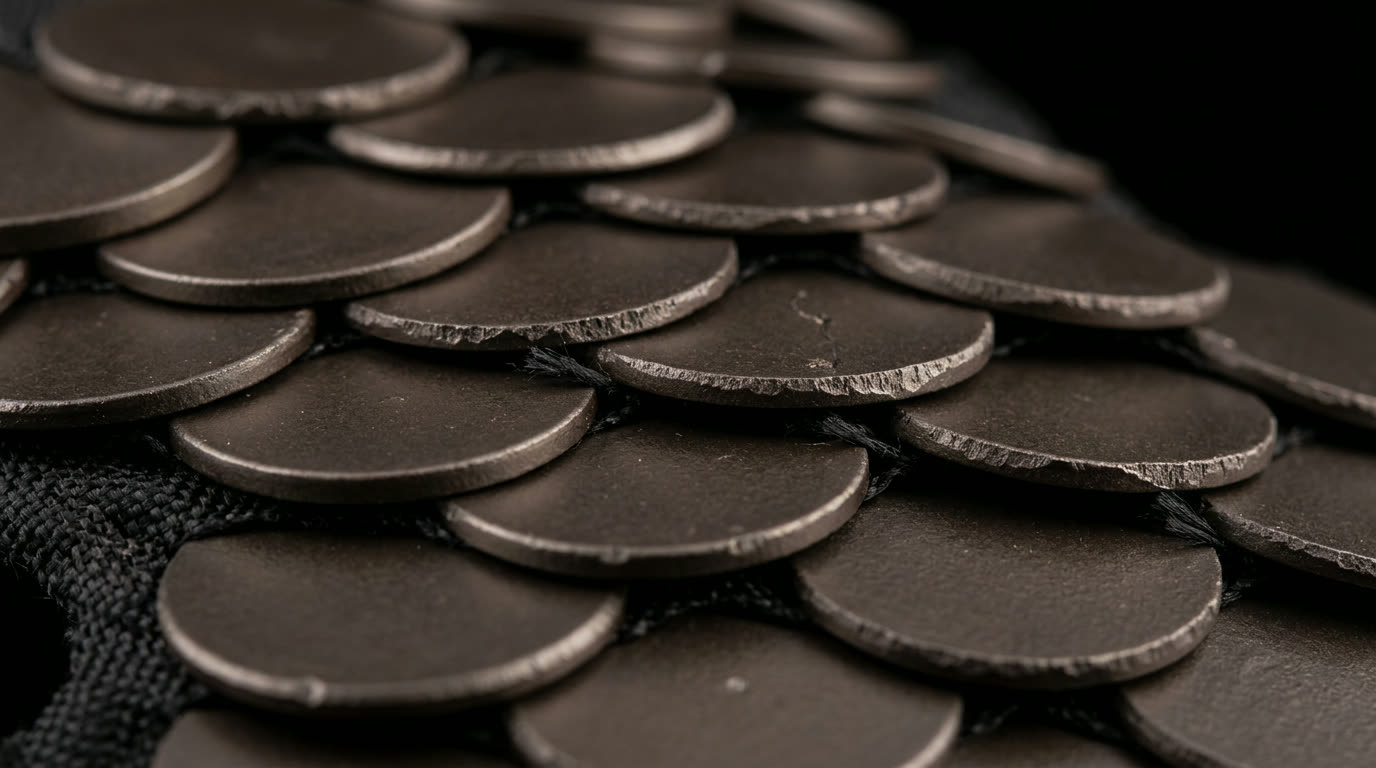
The relativity of backface signature — why the 44 mm number isn't what you think
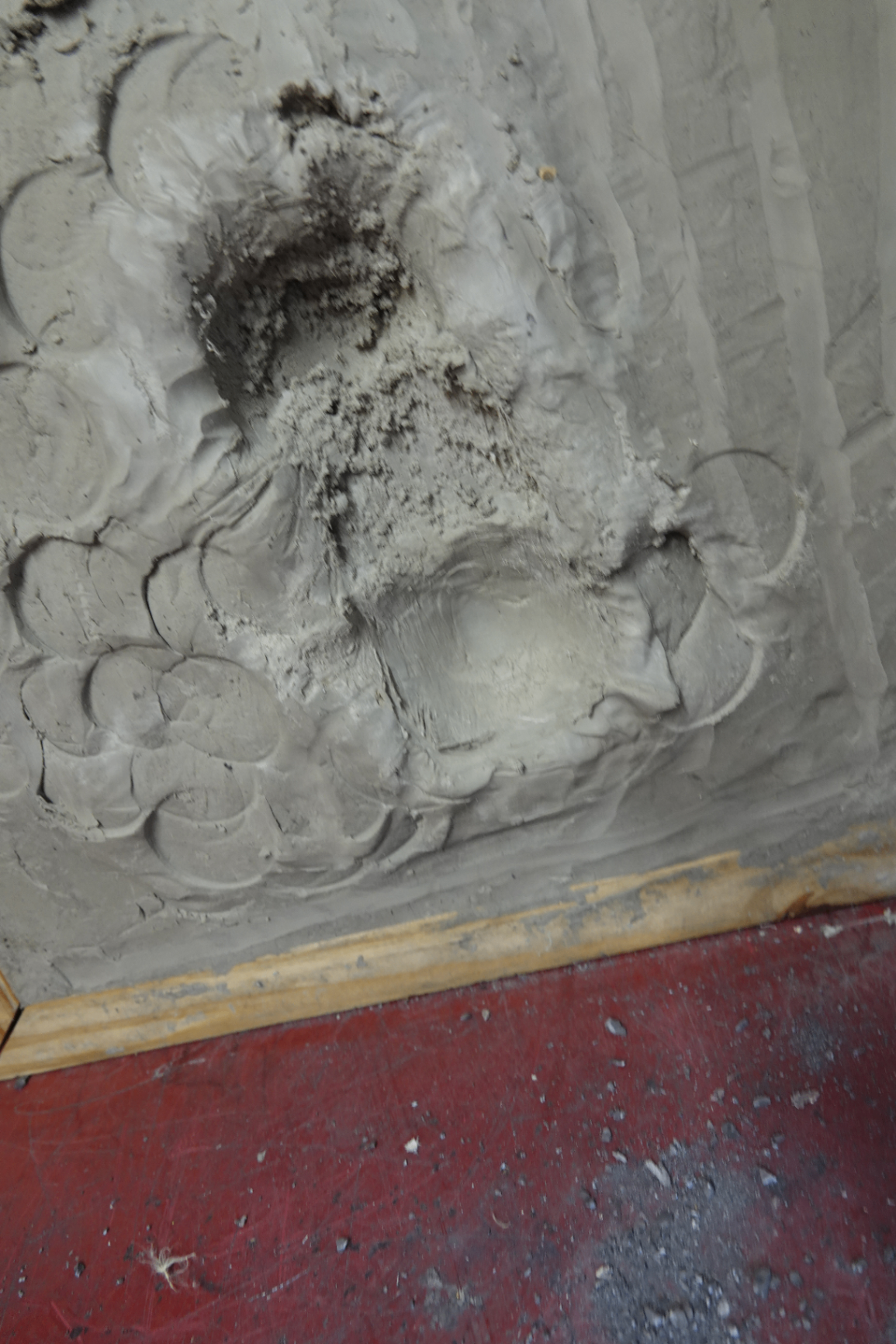
Backface signature, explained — what the clay actually tells you