Backface signature, explained — what the clay actually tells you
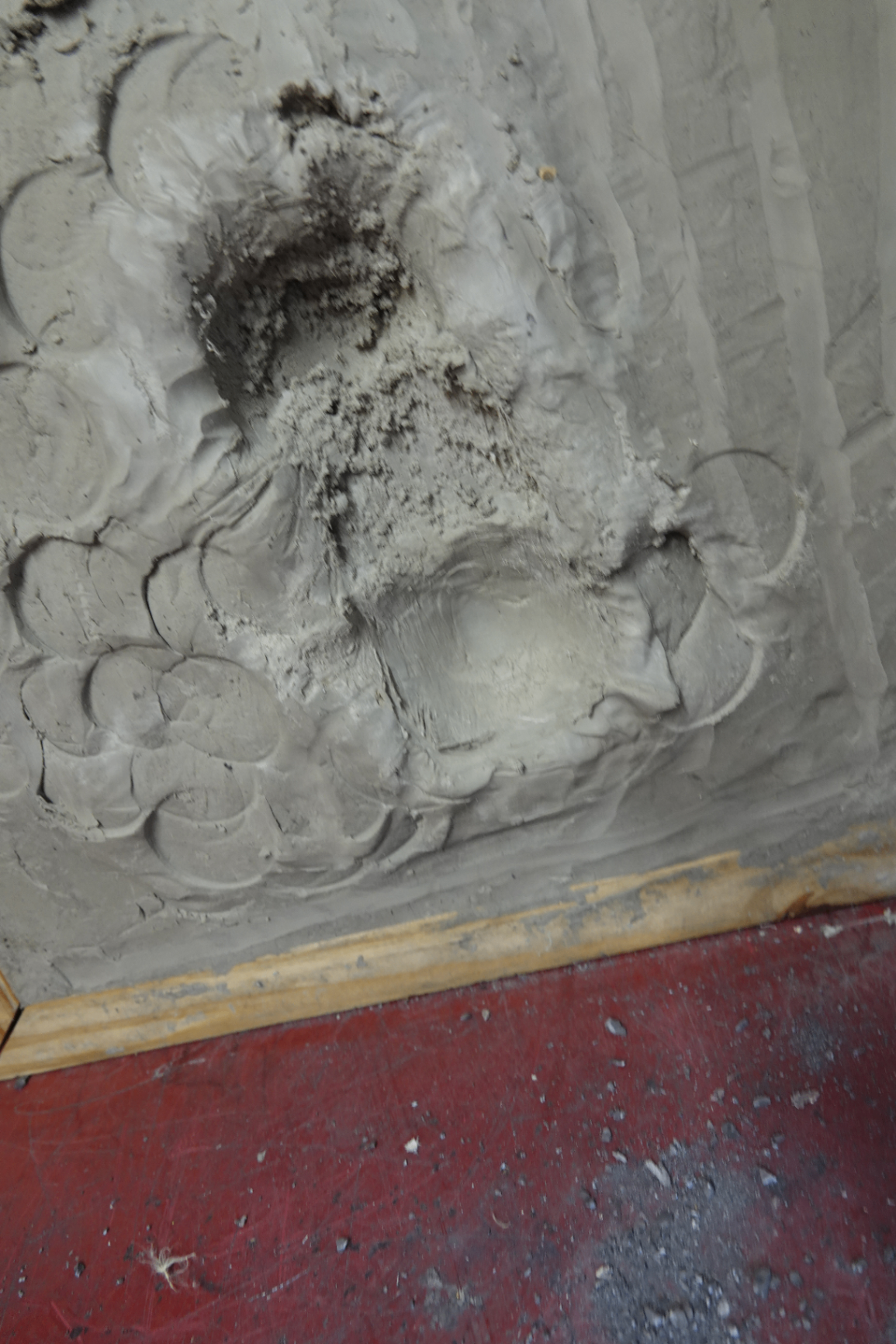
Backface signature is the depth of the depression a stopped round leaves in the clay backing material directly behind a body armor panel. NIJ 0101.06 requires that depth to be 44 mm or less for the panel to pass certification. The number sits at the center of nearly every body armor spec sheet — and it is widely misread.
The setup is fixed by protocol. A block of Roma Plastilina No. 1 oil-based modeling clay is conditioned to a specified hardness range, the armor panel is clamped to the clay face, and the threat round is fired at a specified velocity into a specified location. Immediately after the shot, a technician removes the panel and measures the maximum depth of the crater the impact pressed into the clay.
The clay is a witness material, not a human analog. It is not designed to simulate tissue — it is designed to give every accredited lab in the country a repeatable ruler. Two labs testing the same panel design with the same threat should produce BFS numbers within a few millimeters of each other. That repeatability is what makes the number useful in procurement disputes.
Why 44 mm? The threshold dates to early 1970s research correlating clay deformation to survivable blunt trauma using the medical data available at the time. It has remained essentially unchanged across NIJ standard revisions because the clay-and-threshold pair, taken together, has produced a working pass/fail system that the industry can build to.
What BFS does not tell you: energy delivered to the wearer, the geometry of the deformation, multi-hit degradation over the full six-shot sequence, or what happens off the centerline of the strike. It is a single peak-depth number from a single shot location, and it discards almost everything else about how the panel responded.
How to read a real test report: look for the per-shot BFS curve across all six rounds, not just the worst case. Look for the strike locations on the panel diagram — edge strikes and overlap-zone strikes generally deform more than center strikes, and a panel whose worst BFS came from a corner is performing differently than one whose worst BFS came from the middle. Look for the conditioning protocol — wet-conditioned and temperature-cycled panels typically run a few millimeters deeper than baseline.
BFS is one number in a much larger story. Read the rest of the story.
Have a procurement question this article didn't answer?
Our sales engineers respond directly. No call-center, no sales script.
Contact engineering
The relativity of backface signature — why the 44 mm number isn't what you think
Zylon, NIJ 0101.06, and the Evolution of Soft Armor Testing