
The body armor buyer's guide.
Every NIJ level, every armor type, and the questions to ask before you spend a dollar. Written for officers, agencies, and serious civilians — not marketing departments.
What the level actually tells you
The National Institute of Justice (NIJ) sets the U.S. body armor standard. The current standard is NIJ 0101.07, which renamed the old levels with the HG (handgun) and RF (rifle) prefixes. Both naming systems are still in use across the industry.
| Old level | New (0101.07) | Defeats | Form factor |
|---|---|---|---|
| IIA | HG1 | 9mm, .40 S&W | Soft / concealable |
| IIIA | HG2 | .357 SIG, .44 Magnum | Soft / concealable |
| III | RF1 / RF2 | 7.62×51 M80 ball, 5.56 M193 | Hard plate or flexible rifle |
| III+ | RF2 | M80 + M855 / 7.62×39 MSC | Hard plate or flexible rifle |
| IV | RF3 | .30-06 M2 AP (armor piercing) | Hard ceramic plate |
Important: a higher level isn't automatically "better." Level IV is heavier, more rigid, and protects against threats most officers and civilians will never face. Buying above your actual threat profile costs you mobility, weight, and money for protection you don't use.
Soft, hard, or flexible rifle
Soft body armor
Handgun rounds (IIA / IIIA / HG1 / HG2)
Woven aramid or UHMWPE panels. Flexible, concealable, comfortable enough for an 8-hour patrol shift. Worn under uniform or in a low-profile carrier.
Who it's for: Patrol officers, plain-clothes, executive protection, civilians.
Concealable guideHard rifle plates
Rifle rounds (III / IV / RF2 / RF3)
Monolithic ceramic strike face over UHMWPE backer. Rigid, heavier (4–8 lb), but the only form factor rated to stop armor-piercing rifle rounds.
Who it's for: Tactical teams, federal agencies, military, citizen quick-don kits.
View hard platesFlexible rifle armor
Rifle rounds (III / RF2) — but it bends
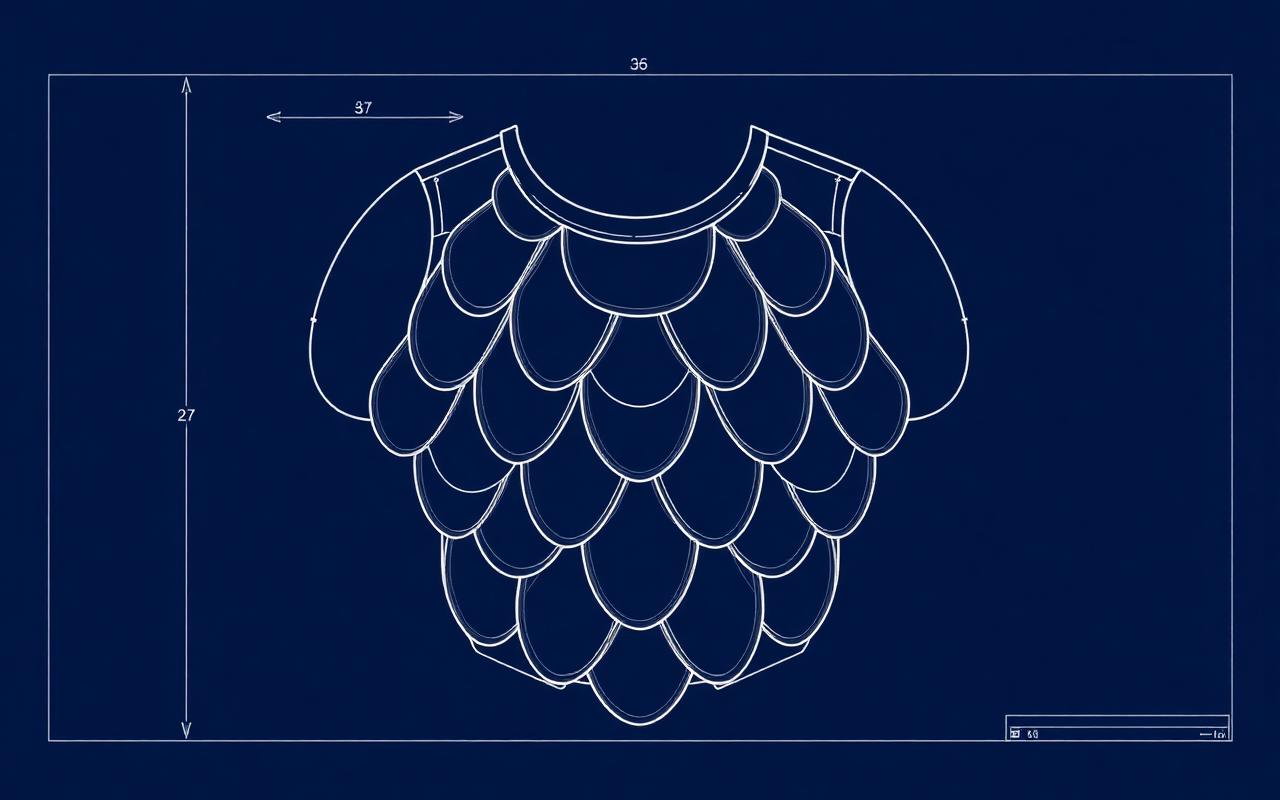
Disc-array or hexagonal-tile architecture (Dragon Skin™, Hexar™). Defeats rifle rounds while contouring to the body. Full-coverage and multi-hit by design.
Who it's for: Operators who need rifle protection in dynamic positions.
Flexible rifle armorFive questions before you buy
What's the realistic threat?
Be honest. A patrol officer faces handgun threats 99% of the time — IIIA / HG2 is the baseline. A SWAT operator faces rifle threats — III or IV. A civilian in a low-risk area may not need more than IIA. Buying for the worst-case threat you'll never see is a tax on every shift you do work.
Concealable or overt?
Concealable armor goes under the uniform — invisible, but limits how much protection you can add. Overt armor goes in a plate carrier outside the uniform — more capability, more visible. Some carriers like our Velox™ Covert split the difference with low-profile cuts.
Soft, hard, or both?
Most professionals run both. Soft IIIA / HG2 worn all day, with a rifle plate or flexible rifle system in a go-bag or carrier ready to don in seconds. The rifle protection is for the 1% — but when you need it, you need it immediately.
How much weight can you carry?
A Level IV ceramic plate is 6–8 lb. Two plates plus carrier is 15+ lb on your torso. Flexible rifle armor distributes weight across a wider coverage area, which often feels lighter even at similar absolute weight. Try before you commit.
What's the warranty and service life?
Soft armor: typically 5 years. Hard plates: 5–10 years depending on construction. Ask for the warranty document in writing. Ask what voids it (heat, UV, drops, immersion). Replace expired armor — degraded fibers do not stop bullets at rated velocity.
Body armor FAQ
What level of body armor do I need?
If your threat is handgun rounds, Level IIIA / HG2 soft armor covers most pistol calibers including .357 SIG and .44 Magnum. If your threat includes rifle rounds, you need Level III / RF2 (defeats 7.62×51 M80 ball) or Level IV / RF3 (defeats .30-06 M2 AP). Most law enforcement carry IIIA soft armor under uniform and keep a rifle-rated plate accessible.
What's the difference between soft and hard body armor?
Soft armor uses woven or laminated fibers (aramid, UHMWPE) to stop handgun rounds — flexible, concealable, comfortable. Hard armor uses ceramic or steel plates to stop rifle rounds — rigid, heavier, worn in a plate carrier. Flexible rifle armor like Dragon Skin™ and Hexar™ bridges the two: rifle-rated protection that still bends with the body.
Is body armor legal to own?
In most U.S. states, civilians can legally purchase and own body armor. Connecticut, New York, and a few other jurisdictions have restrictions on certain levels or sales channels. Anyone convicted of a violent felony is prohibited from possessing body armor under federal law (18 U.S.C. § 931). Always verify your state and local laws.
How long does body armor last?
Most soft armor is rated for 5 years from date of manufacture. Hard plates typically carry a 5–10 year warranty depending on construction. Heat, humidity, UV exposure, and physical impact all accelerate degradation. Inspect panels regularly for delamination, bulging, or compressed fibers.
Continue by use case
Concealable body armor
Soft IIIA / HG2 for daily wear, plainclothes, and executive protection.
Flexible rifle armor
Dragon Skin™ and Hexar™ — rifle-rated protection that bends.
Plate carrier vs bulletproof vest
What's the actual difference, and which one do you need?
Full product catalog
Every Stealth Armor system — soft, hard, flexible, and carriers.
*Made in USA — most products use domestic and offshore-sourced materials, processed, converted, and assembled in Missouri City, Texas by U.S. citizens. Meets Buy American Act requirements. Learn more.
Still not sure? Talk to engineering.
Tell us the threat, the mission, and the platform. We'll spec a system that actually fits.
Request a Quote / Contact Us